 English
 العربية
 中文(漢字)
 Français
 Deutsch
 Indonesia
 Italiano
 Melayu
 Português
 Русский
 Español
 ภาษาไทย
 Tiếng Việt
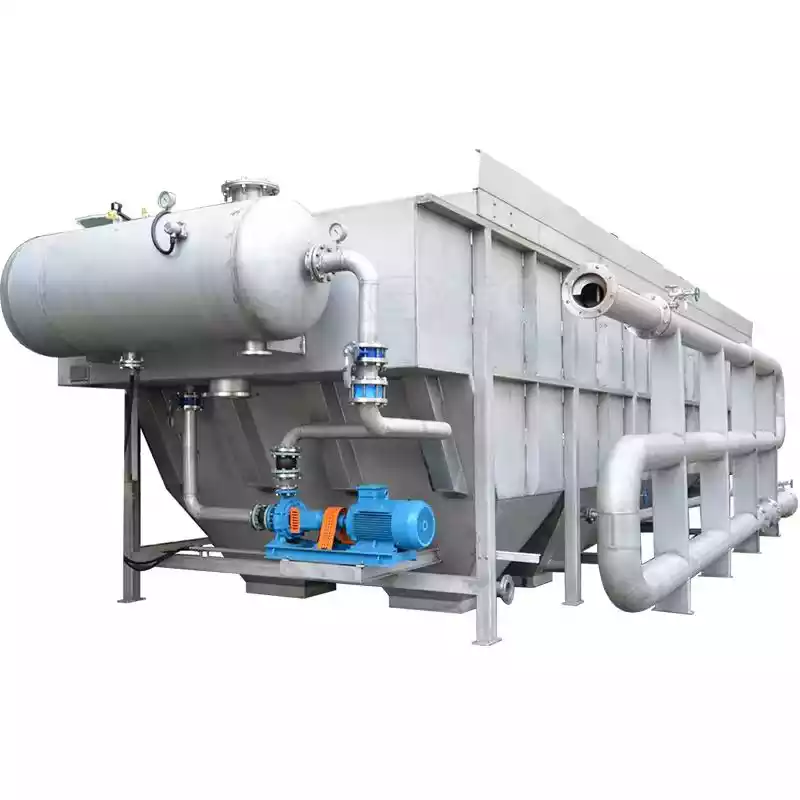
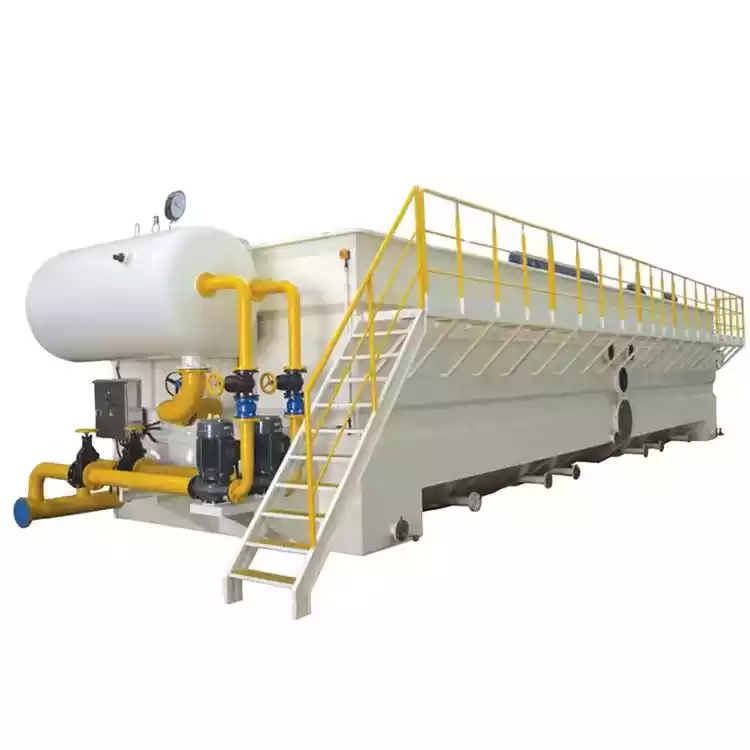
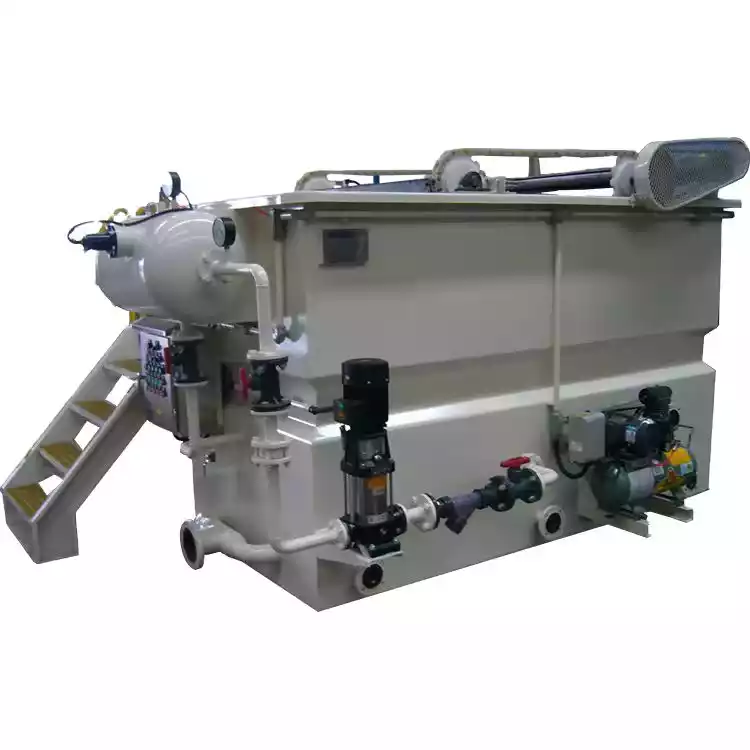
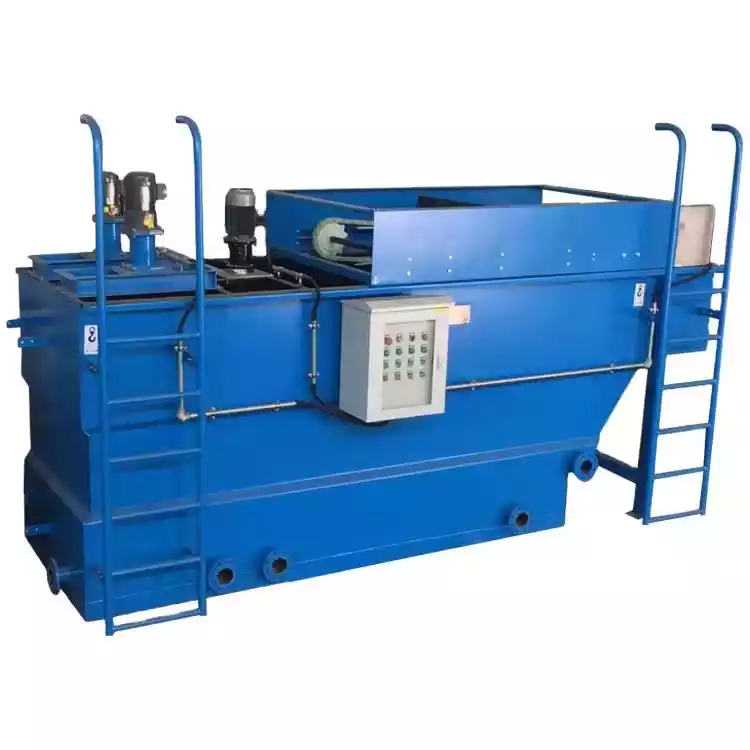
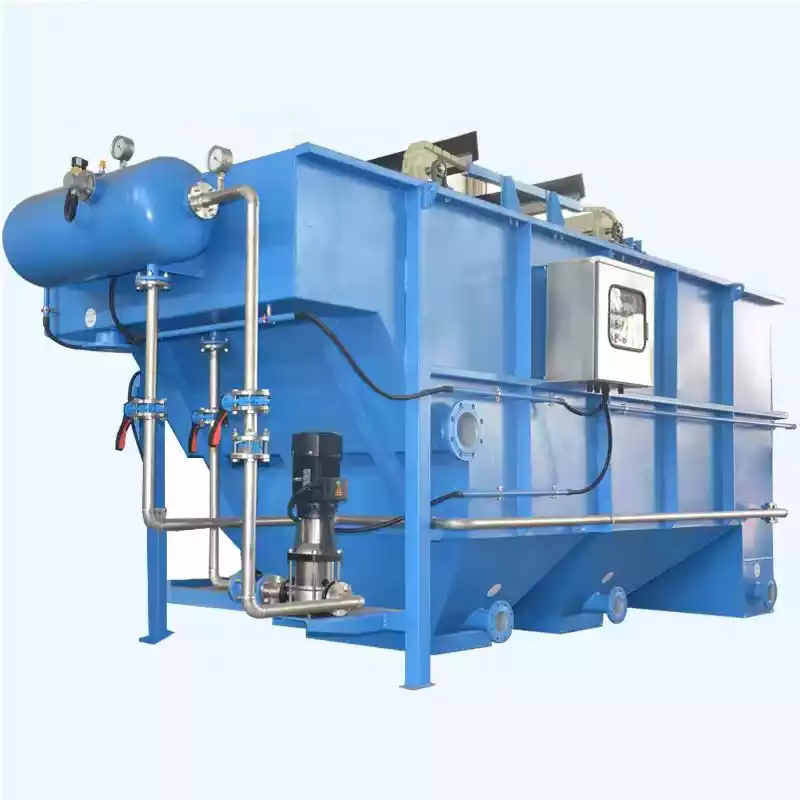
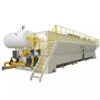
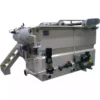
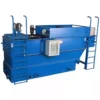
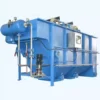
High-Efficiency Dissolved Air Flotation Equipment for Industrial Wastewater Treatment
Professional DAF System Manufacturer | Customized Dissolved Air Flotation Units for Industrial Wastewater Applications
Our Dissolved Air Flotation System (Sistema DAF) is an advanced wastewater treatment technology designed to remove suspended solids (SS), grasas, aceites, grasa (NIEBLA), and other pollutants from industrial wastewater through microbubble flotation separation.
As an experienced DAF flotation system manufacturer, we provide customized dissolved air flotation equipment for industries including food processing, slaughterhouses, dairy plants, petrochemical industries, paper mills, textile factories, and municipal wastewater treatment projects.
With optimized hydraulic design, high-efficiency air dissolving technology, and automatic operation systems, our DAF units help customers achieve stable wastewater treatment performance while reducing operating costs.
What is a Dissolved Air Flotation System?
A Dissolved Air Flotation System (DAF) is a wastewater clarification technology that separates contaminants from water by generating millions of microscopic air bubbles.
During the flotation process, pressurized air is dissolved into recycled water. When the pressure is released inside the flotation tank, tiny bubbles are released and attach to suspended particles, oil droplets, and organic matter.
The air-solid particles become lighter than water and float to the surface, forming a sludge layer that is removed by a mechanical skimmer.
The treated water flows out from the bottom of the flotation tank for further biological or advanced treatment.
How Does a Dissolved Air Flotation System Work?
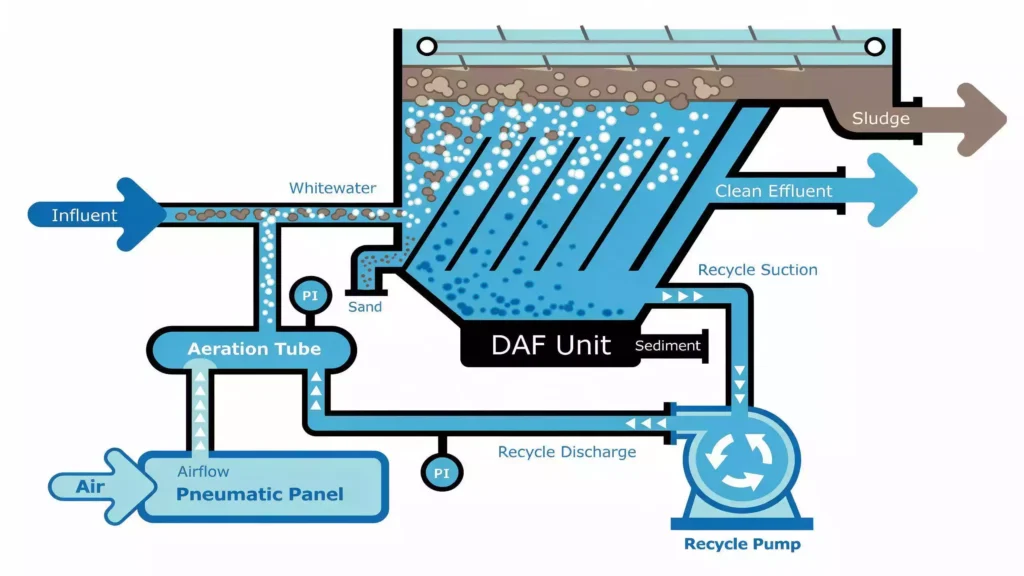
1. Coagulation and Flocculation
Before entering the DAF unit, wastewater is usually mixed with chemical agents such as:
- PAC (Polyaluminum Chloride)
- PAM (Polyacrylamide)
- Ferric chloride
These chemicals help small suspended particles combine into larger flocs.
Objetivo:
- Increase particle size
- Improve flotation efficiency
- Reduce suspended solids concentration
2. Air Dissolution Process
A portion of treated water is recycled and pumped into an air dissolving system.
Under high pressure:
- Air is dissolved into water
- Saturated water is generated
- Microbubbles are produced after pressure release
Typical bubble size:
20–50 μm
These microbubbles provide excellent contact with contaminants.
3. Flotation Separation
When dissolved air water enters the flotation tank:
- Microbubbles attach to pollutants
- Pollutants rise to the surface
- Clean water remains below
The floating sludge layer is continuously removed by the scraper system.
4. Sludge Removal
The floating sludge is collected and discharged into a sludge tank.
The sludge can then be:
- Dewatered by a screw press
- Transported for disposal
- Reused depending on industry requirements
Main Components of DAF System
Our dissolved air flotation equipment consists of:
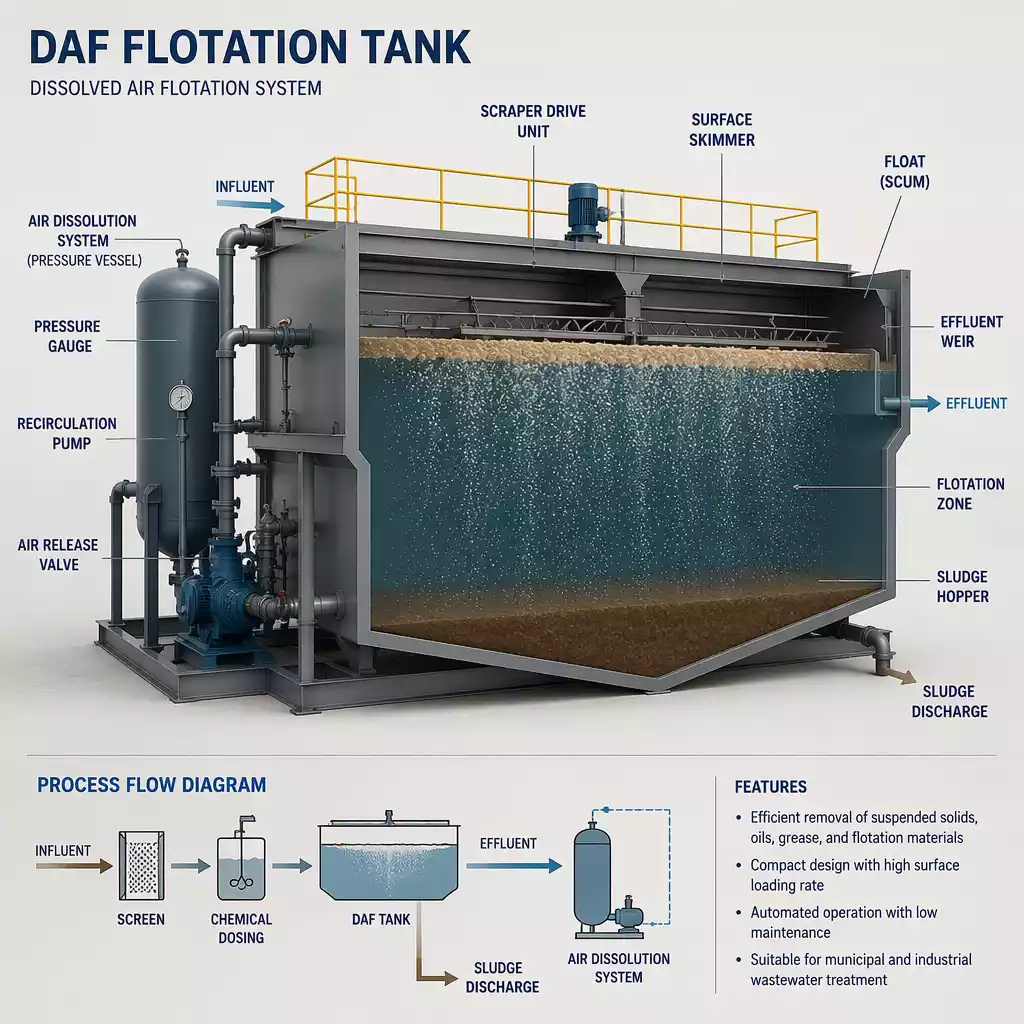
DAF Flotation Tank
The flotation tank is the core separation chamber.
Características:
- Optimized hydraulic flow design
- High separation efficiency
- Stainless steel or carbon steel construction options
- Compact footprint
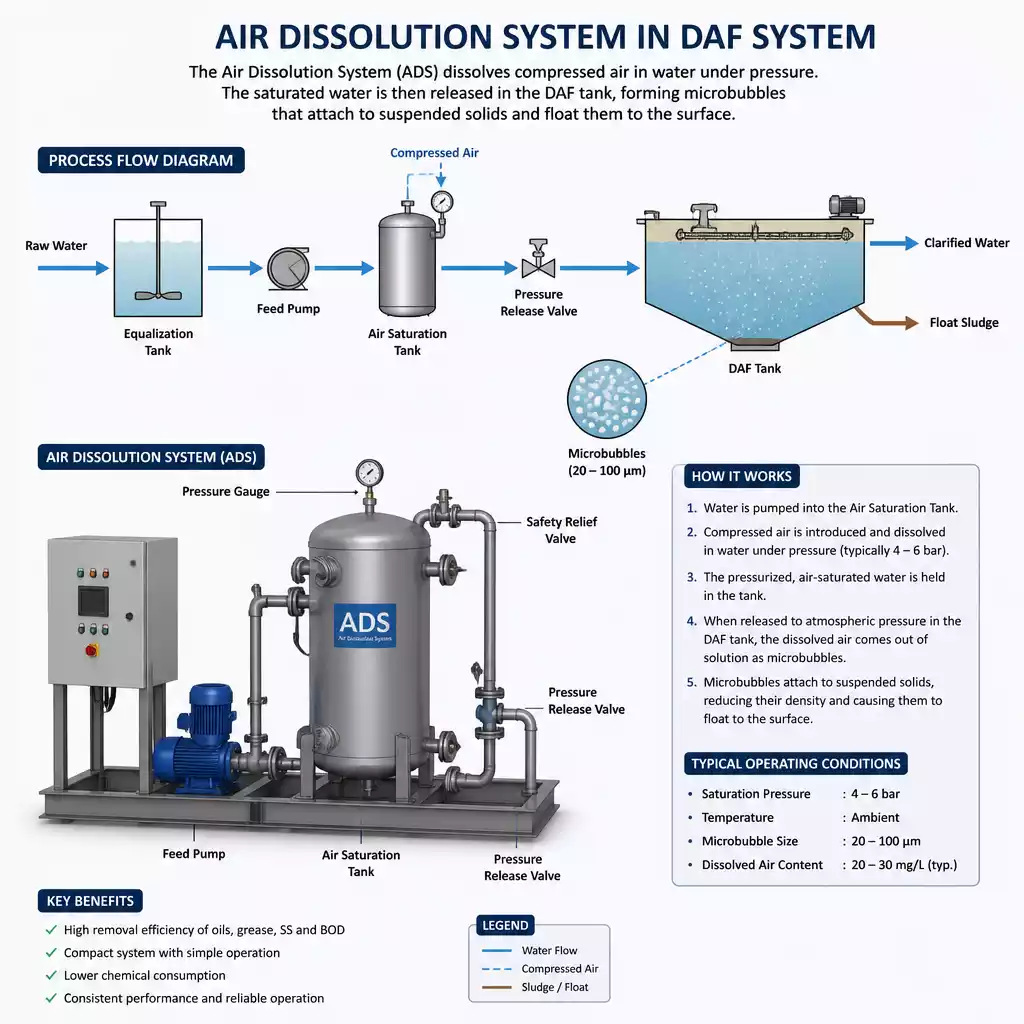
Air Dissolution System
The air dissolving system includes:
- Air compressor
- Dissolved air pump
- Air saturation tank
- Pressure control valves
It ensures stable production of microbubbles.
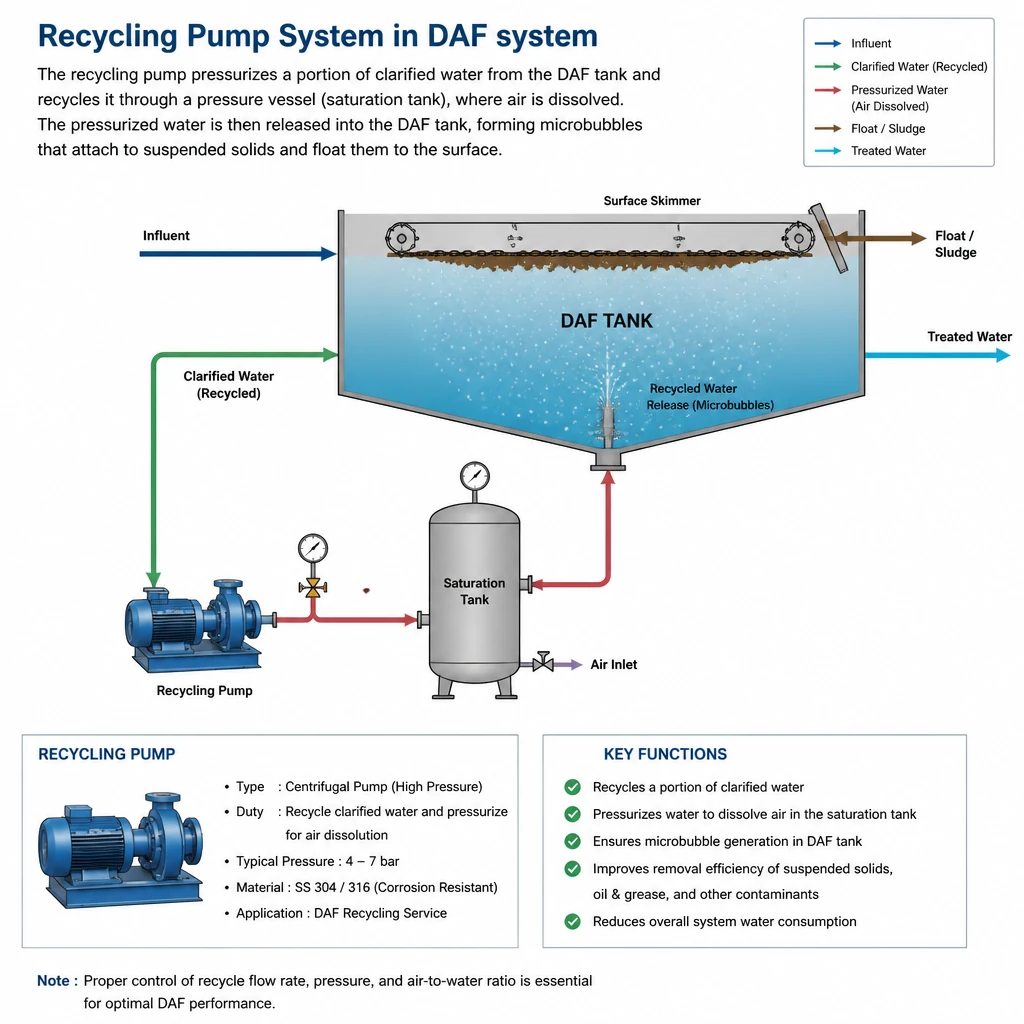
Recycling Pump System
The recycle pump provides pressurized water for air dissolution.
Beneficios:
- Stable pressure
- High air dissolution rate
- Energy-efficient operation
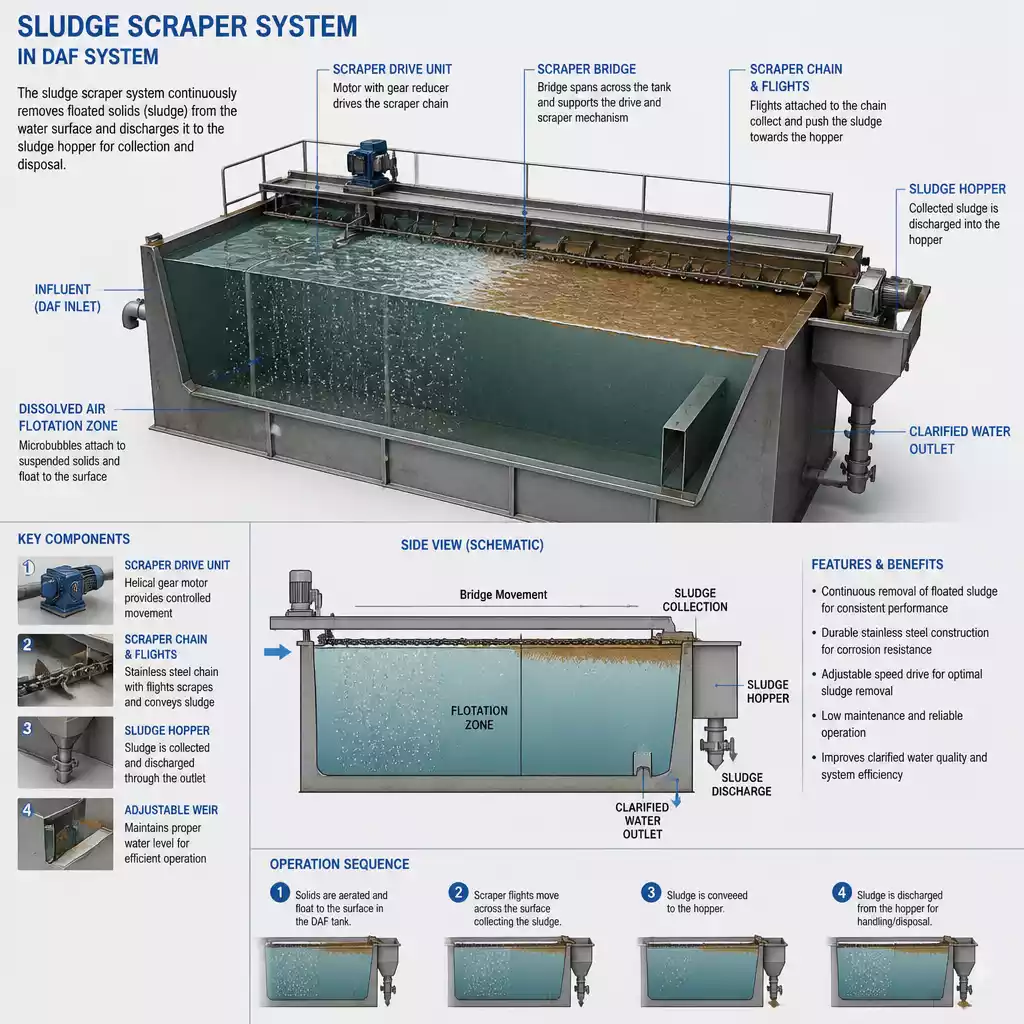
Sludge Scraper System
The automatic scraper removes floating sludge continuously.
Opciones:
- Chain scraper
- Bridge scraper
- Stainless steel scraper
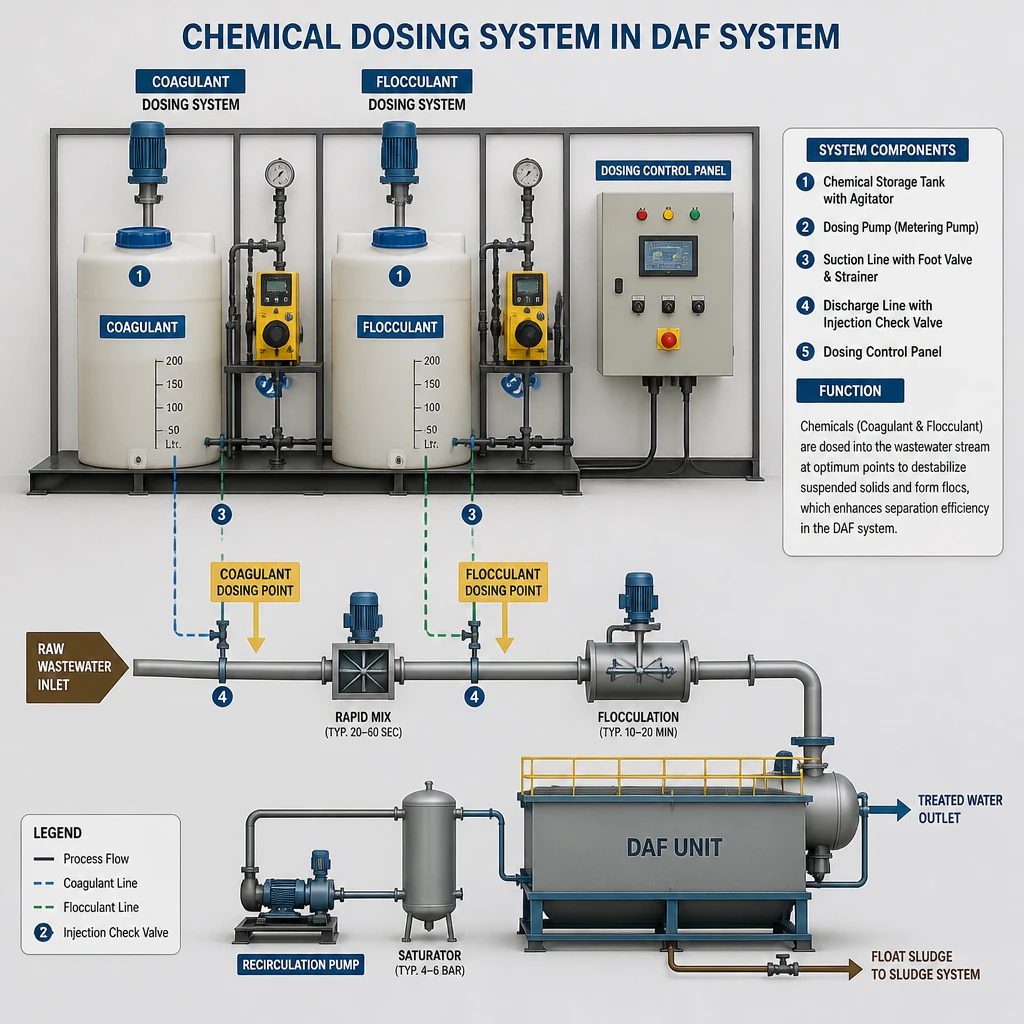
Chemical Dosing System
The chemical system automatically controls:
- Coagulant dosing
- Flocculant preparation
- Chemical mixing
Technical Advantages of Our Dissolved Air Flotation System
High Solid Removal Efficiency
Our DAF systems can effectively remove:
| Pollutant | Removal Efficiency |
|---|---|
| Sólidos suspendidos (SS) | 80–95% |
| Aceite & Grasa | 90–98% |
| BACALAO | 30–70% |
| Fats and Organic Matter | High Efficiency |
Compact Design Saves Installation Space
Compared with traditional sedimentation tanks:
- Smaller footprint
- Faster installation
- Lower civil construction cost
Low Operating Cost
Optimized design reduces:
- Pump energy consumption
- Chemical consumption
- Maintenance requirements
Automatic Operation
The system can integrate:
- PLC control
- Automatic scraper operation
- Automatic chemical dosing
- Remote monitoring
Dissolved Air Flotation System Applications
Our DAF flotation systems are widely used in industrial wastewater treatment.
Food Processing Wastewater Treatment
Aplicaciones:
- Meat processing wastewater
- Poultry slaughterhouse wastewater
- Seafood wastewater
- Vegetable processing wastewater
Main pollutants:
- Gordo
- Aceite
- Proteína
- Suspended solids
Dairy Wastewater Treatment
DAF helps remove:
- Milk fat
- Organic particles
- High COD pollutants
Oil and Gas Wastewater Treatment
DAF systems remove:
- Oil droplets
- Hydrocarbons
- Suspended solids
Paper Mill Wastewater Treatment
Aplicaciones:
- Fiber recovery
- TSS removal
- COD reduction
Textile Wastewater Treatment
DAF removes:
- Color pollutants
- Dye particles
- Suspended solids
Six key parameters you must understand before purchasing a DAF air flotation unit
Check more detail about 6 key parameters.01
Flow Rate – Determines DAF Equipment Size
- Average Flow
- Peak Flow
- Operating Hours
02
Raw water pollutant parameters (Wastewater Characteristics)
- TSS (Total Suspended Solids)
- BACALAO / DBO
- Fat Oil Grease (NIEBLA)
03
Influent and Effluent Requirements (Treatment Target)
- Treats domestic sewage
- Treats slaughterhouse wastewater
- Treats chemical wastewater
04
Is a chemical dosing system required?
- Is PAC to be added?
- Is PAM to be added?
- Is pH adjustment required?
05
DAF Recycle Ratio
- Number of bubbles
- Amount of scum generated
- Power consumption
06
Installation Requirements
- Installation space;
- Inlet and outlet water height;
- Power supply
How to calculate DAF processing capacity
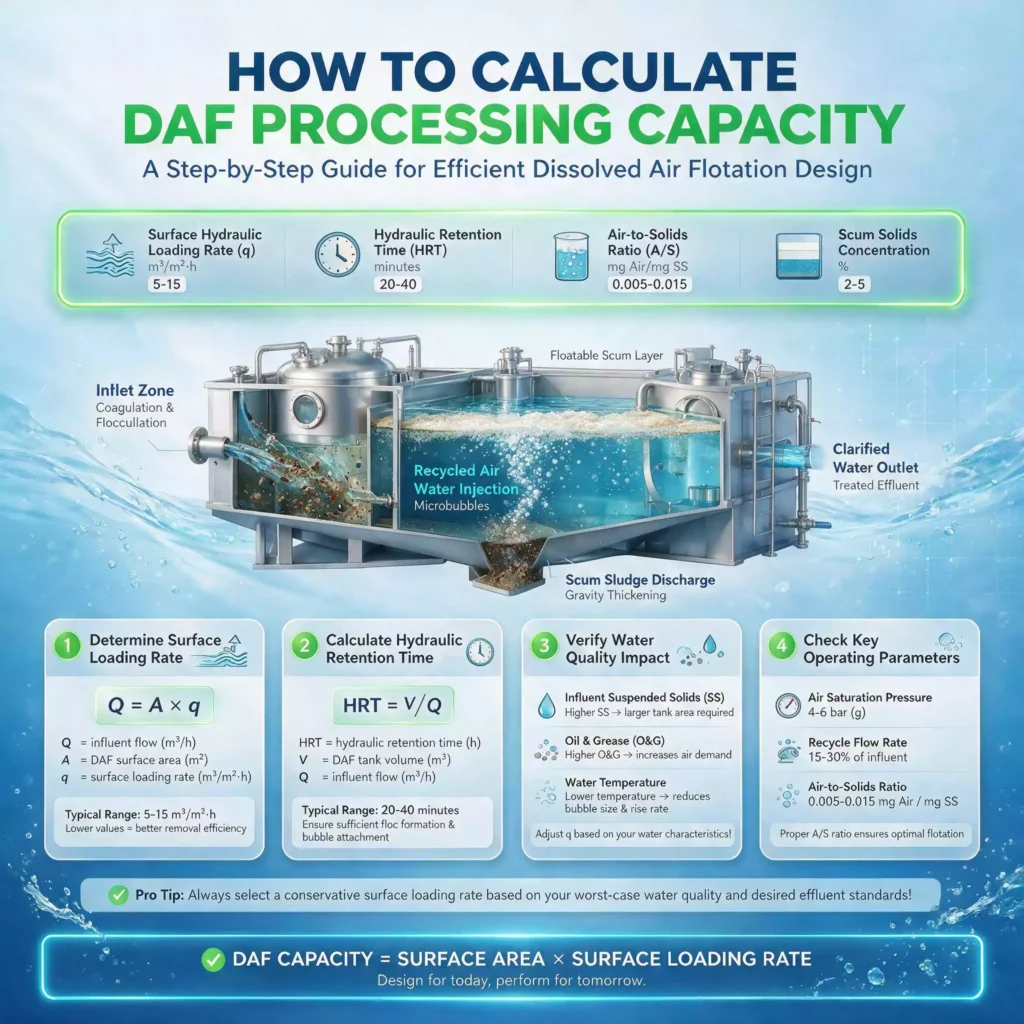
- water volume fluctuations
- peak drainage
- future capacity expansion
How to interpret DAF’s core technical parameters?
Hydraulic Loading Rate
- The water flow rate is too fast;
- air bubbles don’t have time to carry contaminants to the surface;
- sólidos suspendidos (SS) easily escape.
- SS concentration;
- grease content;
- pollutant properties.
Air/Solids Ratio
- Less scum;
- Higher suspended solids (SS) in the effluent.
- Increased water flow disturbance;
- Increased energy consumption.
- Dissolved air pressure;
- Recirculation ratio;
- Air volume.
Recycle Ratio
- Treatment Capacity: 100 m³/h
- Recycle: 30%
- More bubbles
- Better separation effect
- Increased power consumption
- Increased pump capacity
DAF System vs Traditional Sedimentation Tank
| Item | Sistema DAF | Tanque de sedimentación |
|---|---|---|
| Separation Method | Microbubble flotation | Gravity settling |
| Footprint | Small | Large |
| Oil Removal | Excelente | Pobre |
| Startup Time | Rápido | Lento |
| Sludge Concentration | Más alto | Más bajo |
| Suitable For | Industrial wastewater | Municipal wastewater |
DAF System Selection Guide
Before purchasing a dissolved air flotation unit, customers should confirm:
1. Wastewater Flow Rate
Example:
- 10 m³/day
- 50 m³/day
- 100 m³/day
- 500 m³/day
2. Wastewater Characteristics
Important parameters:
- BACALAO
- DBO
- TSS
- Aceite & grasa
- Temperature
3. Required Treatment Performance
Determine:
- Discharge standards
- Reuse requirements
- Further treatment process
4. Installation Conditions
Consider:
- Available space
- Indoor/outdoor installation
- Power supply
- Climate conditions
Why Choose Our DAF System?
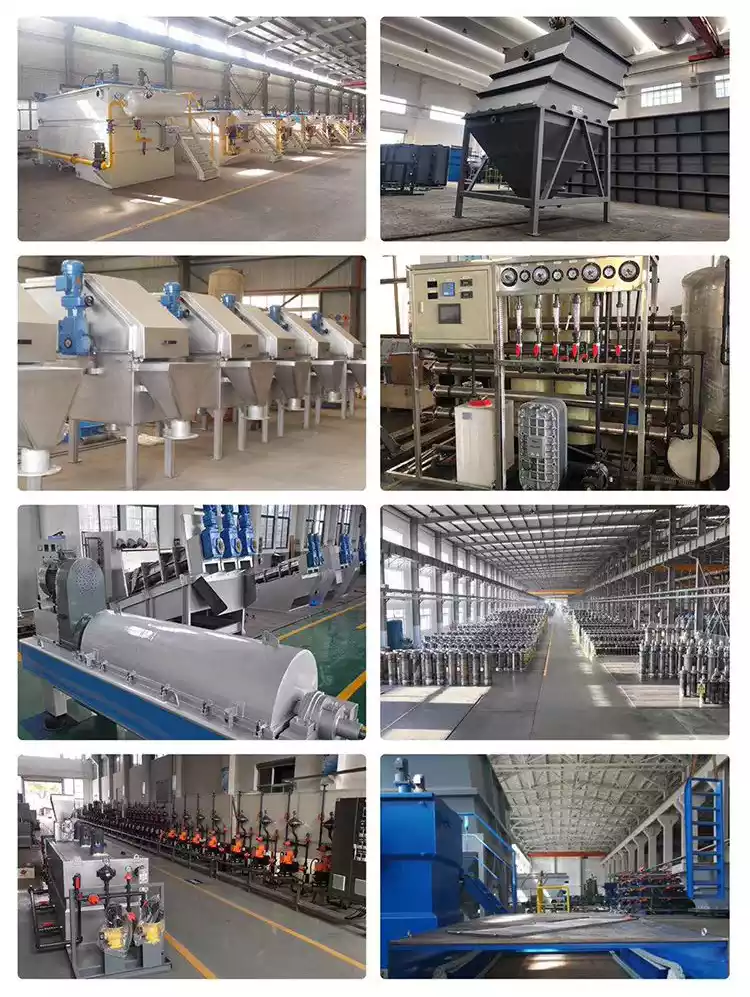
Experienced Wastewater Treatment Manufacturer
We specialize in manufacturing:
- Dissolved Air Flotation Systems
- Wastewater Treatment Equipment
- Industrial Water Treatment Solutions
Complete Engineering Support
From design to installation:
✔ Process design
✔ Equipment manufacturing
✔ Factory testing
✔ Installation support
✔ After-sales service
Quality Manufacturing
Our DAF systems feature:
- High-quality materials
- Precision fabrication
- Reliable components
- Long service life
A DAF system is mainly used to remove suspended solids, aceite, grasa, and organic pollutants from wastewater through microbubble flotation separation.
DAF can be used as:
- Primary treatment
- Pretreatment before biological processes
- Advanced clarification process
The application depends on wastewater characteristics.
Common industries include:
- Food processing
- Dairy
- procesamiento de carne
- Oil refinery
- Textile
- Paper manufacturing
Routine maintenance includes:
- Pump inspection
- Scraper checking
- Air system maintenance
- Chemical system inspection
Maintenance frequency depends on operating conditions.
Sí. We provide customized solutions according to:
- Flow capacity
- Wastewater quality
- Installation requirements
- Local discharge standards