 English
 العربية
 中文(漢字)
 Français
 Deutsch
 Indonesia
 Italiano
 Melayu
 Português
 Русский
 Español
 ภาษาไทย
 Tiếng Việt
Food and Beverage Wastewater Treatment
The goals of food and beverage wastewater treatment are basically the same, but due to different production processes, the composition of pollutants also differs, so the focus of treatment is also slightly different.
Common Treatment Processes of food and beverage wastewater treatment
- Screening: Removes large particulate matter.
- Equalization Tank: Balances water volume and quality.
- DAF: Removes grease and suspended solids.
- Anaerobic Treatment (UASB/IC): Efficiently degrades high concentrations of organic matter.
- Aerobic Treatment (MBBR/MBR): Further removes COD, BOD, and ammonia nitrogen.
- Advanced Treatment: Achieves compliant discharge or reuse of treated water.
| Sources of pollution | Food factory | Beverage factory |
| COD & BOD | ★★★★★ | ★★★★★ |
| Suspended Solids | ★★★★★ | ★★★☆☆ |
| Fat, Oil & Grease | ★★★★★ | ★☆☆☆☆ |
| Sugar | ★★★☆☆ | ★★★★★ |
| Protein | ★★★★★ | ★★☆☆☆ |
| Ammonia Nitrogen | ★★★★☆ | ★★☆☆☆ |
| Warna | ★★☆☆☆ | ★★★☆☆ |
| PH | ★★★☆☆ | ★★★★☆ |
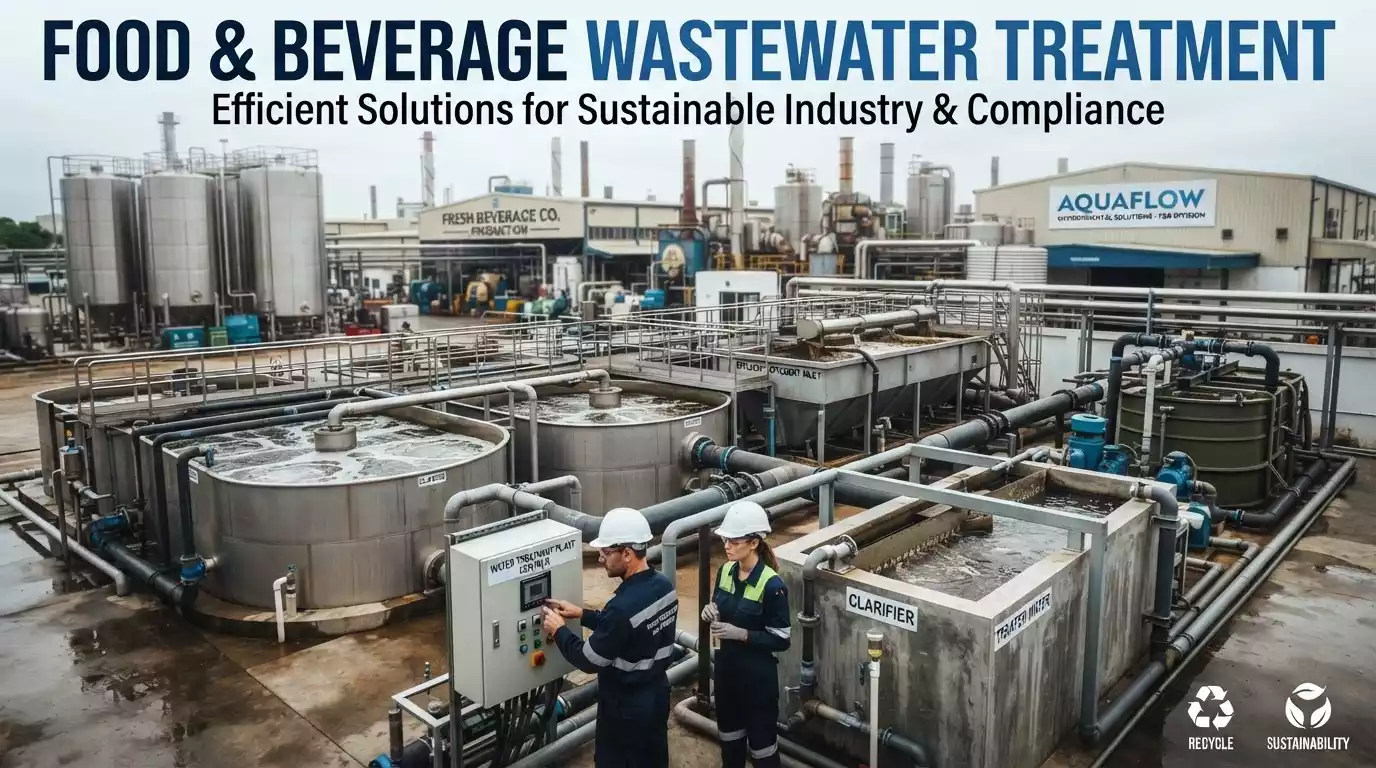 What are the main problems addressed by waste water treatment in food industry
Wastewater from food processing plants (meat, dairy products, aquatic products, fruits and vegetables, canned goods, frozen foods, dll.) is typically characterized by high levels of organic matter, high levels of oil, and high levels of suspended solids.
The core objective of wastewater treatment in the food processing industry is not merely to make the water cleaner, but to remove organic pollutants, grease, suspended solids, and nutrients to ensure that emissions meet local environmental standards or achieve water reuse.
| Processing target | Major pollutants | Common processing equipment |
| Remove organic matter | COD, BOD | UASB, MBBR, MBR, Biochemical Systems |
| Remove suspended solids | SS | Bar screen, sedimentation tank, DAF |
| Remove grease | FOG | Oil separator, DAF |
| Removal of ammonia nitrogen | NH₃-N | A/O, A²/O, MBBR |
| Removal of total nitrogen and total phosphorus | TN, TP | Biological nitrogen and phosphorus removal, chemical phosphorus removal |
| Eliminate odor | H₂S, NH₃ | Deodorization system |
| Emissions meeting standards | Comprehensive pollutants | Complete wastewater treatment system |
| Reclaimed water reuse | Residual pollutants | UF + RO + UV/Ozone |
BOD and COD removal from wastewater
Food production processes generate large amounts of:
- Sugars
- Starch
- Proteins
- Food residues
- Animal and vegetable oils
- Extremely high COD (Chemical Oxygen Demand)
- Extremely high BOD (Biochemical Oxygen Demand)
Direct discharge will deplete oxygen in water bodies, causing oxygen depletion in rivers and reservoirs, and impacting aquatic life.
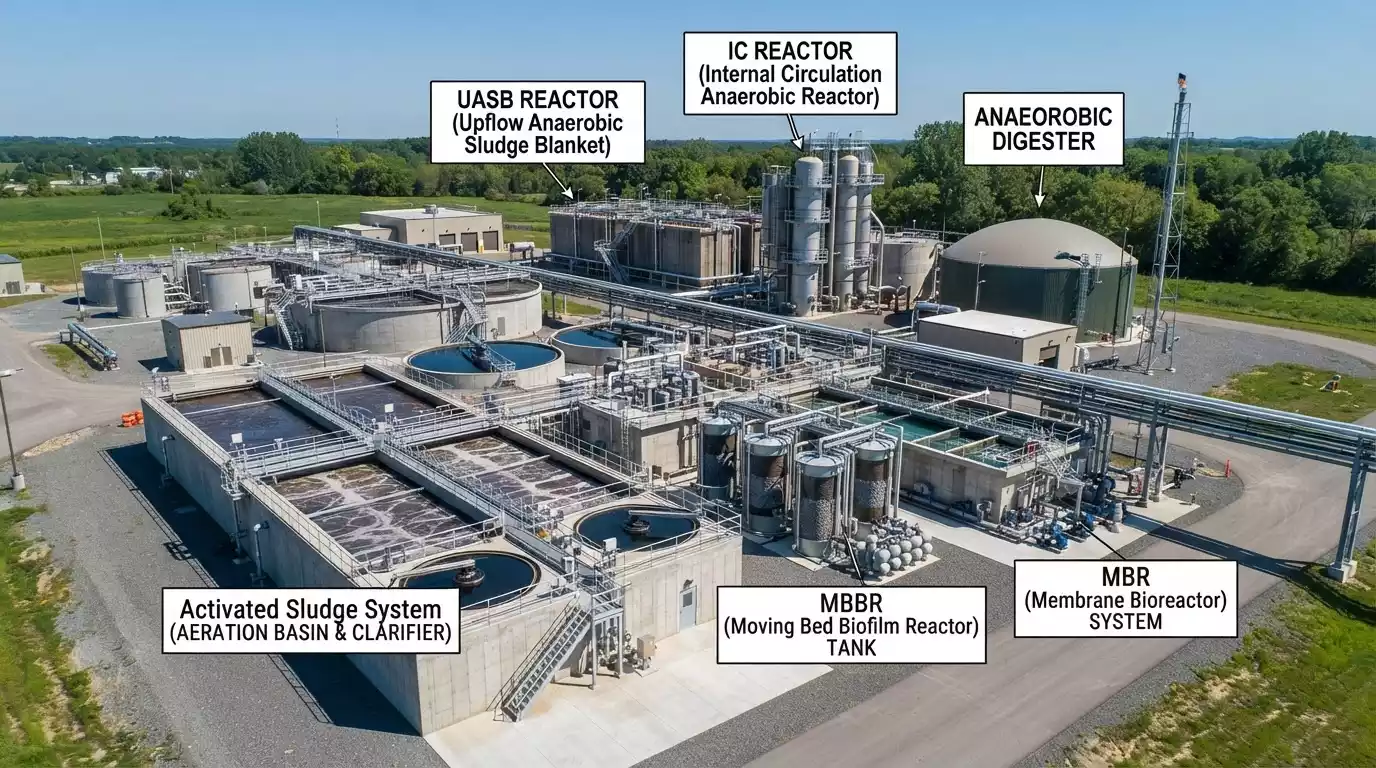
Common Equipment used in BOD and COD removal
- UASB
- IC Reactor
- Anaerobic Digester
- MBBR
- MBR
- Activated Sludge System
Treatment Objectives of BOD and COD removal
- Reduce organic pollution load.
- Meet environmental emission standards.
Removal of Suspended Solids from wastewater
Food processing generates SS:
- Fruit peels
- Vegetable leaves
- Meat scraps
- Bone scraps
- Flour
- Rice grains
- Sediment
- Pipe blockage
- Difficulty operating subsequent equipment
- Turbid effluent
- Reduce turbidity
- Protect subsequent processing equipment
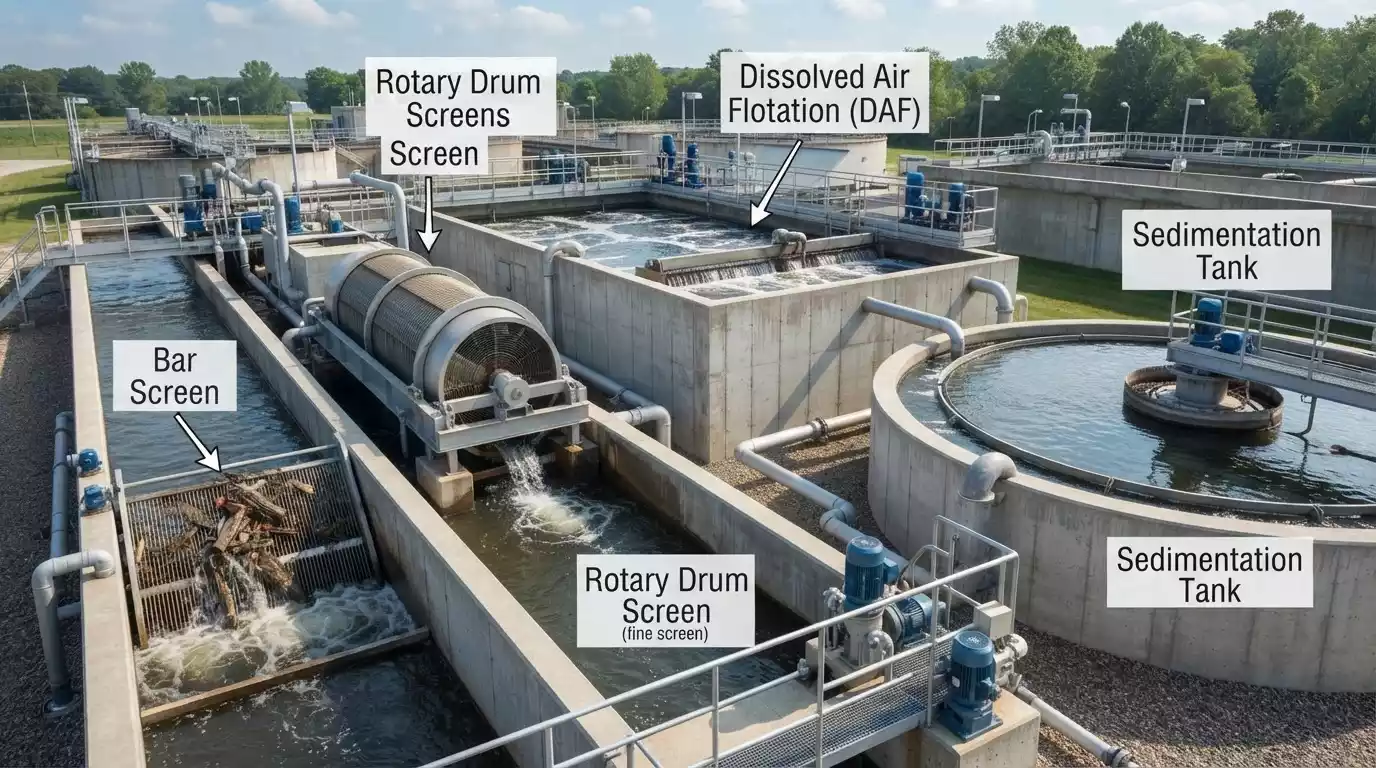
Common Equipment used in removing suspended solids from wastewater
- Bar Screen
- Rotary Drum Screen
- Dissolved Air Flotation (DAF)
- Sedimentation Tank
Fat oil and grease removal from wastewater
- Meat processing
- Food processing plants
- Central kitchens
- Dairy plants
- Clog pipes
- Reduce the efficiency of the biological treatment system
- Cause severe scum buildup
- Prevent pipe blockage
- Improve biochemical treatment efficiency
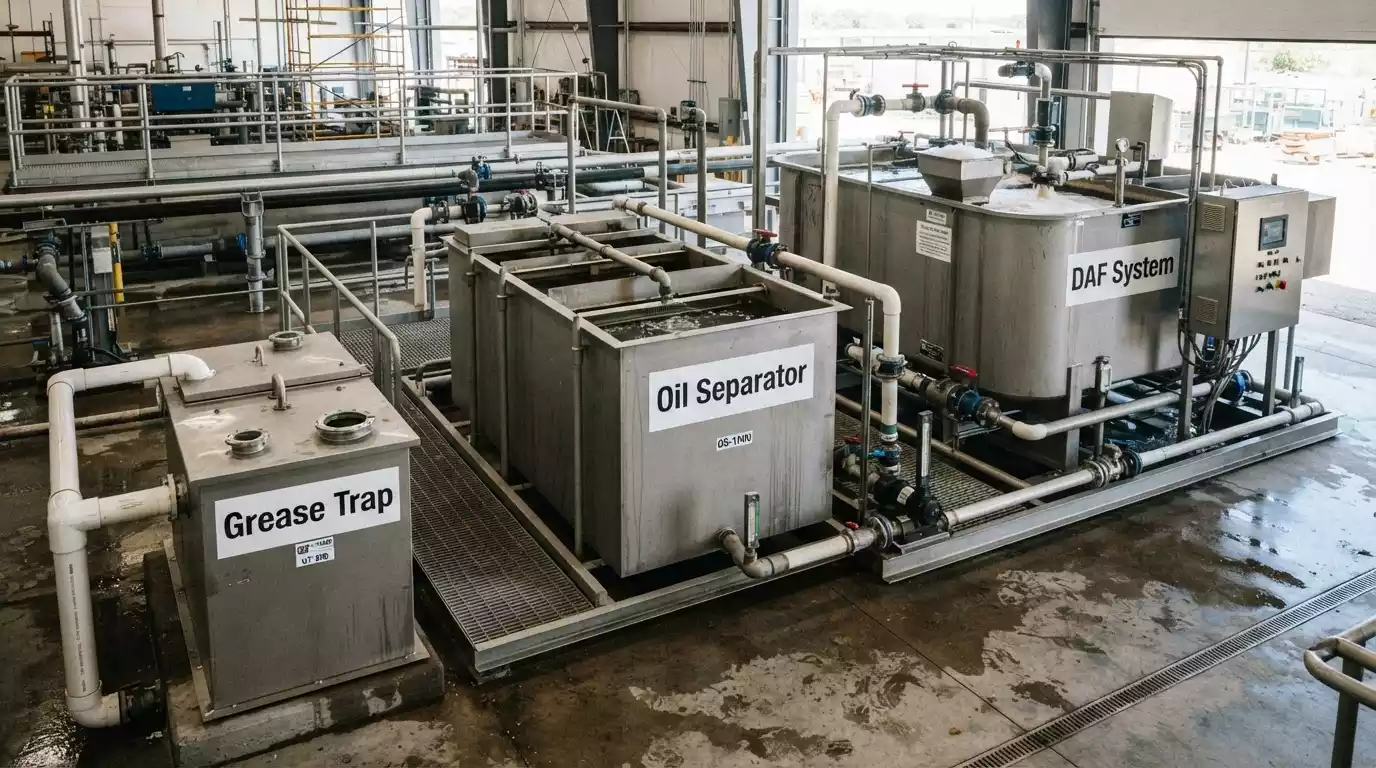
Common Equipment used in FOG treatment:
- Grease Trap
- Oil Separator
- DAF System
Ammonia Nitrogen removal from wastewater
Main sources of ammonia nitrogen:
- Protein decomposition
- Meat processing
- Seafood processing
- Fermentation industry
- Poison aquatic life
- Failure to meet discharge standards
Common Processes of ammonia nitrogen in wastewater treatment
- Biological Nitrification & Denitrification
- A/O Process
- A²/O Process
- MBBR
Removal of nitrogen and phosphorus
- Nitrogen
- Phosphorus
- Eutrophication
- Cyanobacterial blooms
- Algal blooms
Treatment Methods of remove nitrogen and phosphorus
- Biological Nutrient Removal
- Chemical Phosphorus Removal
Odor removal in wastewater treatment
- Hydrogen sulfide
- Ammonia
- Organic odor
- Improve the factory environment
- Meet environmental protection requirements
- COD
- BOD
- SS
- NH₃-N
- TN
- TP
- pH
Achieving Water Reuse
- Save water
- Reduce operating costs
- Meet ESG and sustainability requirements
- Floor washing
- Cooling circulation
- Green space irrigation
- Process auxiliary water (depending on water quality requirements)
Commonly used methods in water reuse:
- Ultrafiltration (UF)
- Reverse Osmosis (RO)
- UV Sterilization
- Ozone Disinfection
What are the main problems addressed by water treatment process in beverage industry
| Processing target | Major pollutants | Common processing equipment |
| Remove organic matter | COD, BOD | Anaerobic and Aerobic biological treatment |
| Remove sugars | Sucrose, glucose, fructose | Biodegradation |
| Remove suspended solids | Fruit pulp, tea leaves, and packaging debris | Bar screen, DAF, sedimentation tank |
| Adjust pH | Acid and alkali cleaning solutions | Neutralization and Regulation |
| Removal of nitrogen and phosphorus | NH₃-N, TN, TP | Biological nitrogen and phosphorus removal |
| Remove color and odor | Pigments, organic matter | Deep processing |
| Reclaimed water reuse | Residual pollutants | UF + RO + UV/Ozone |
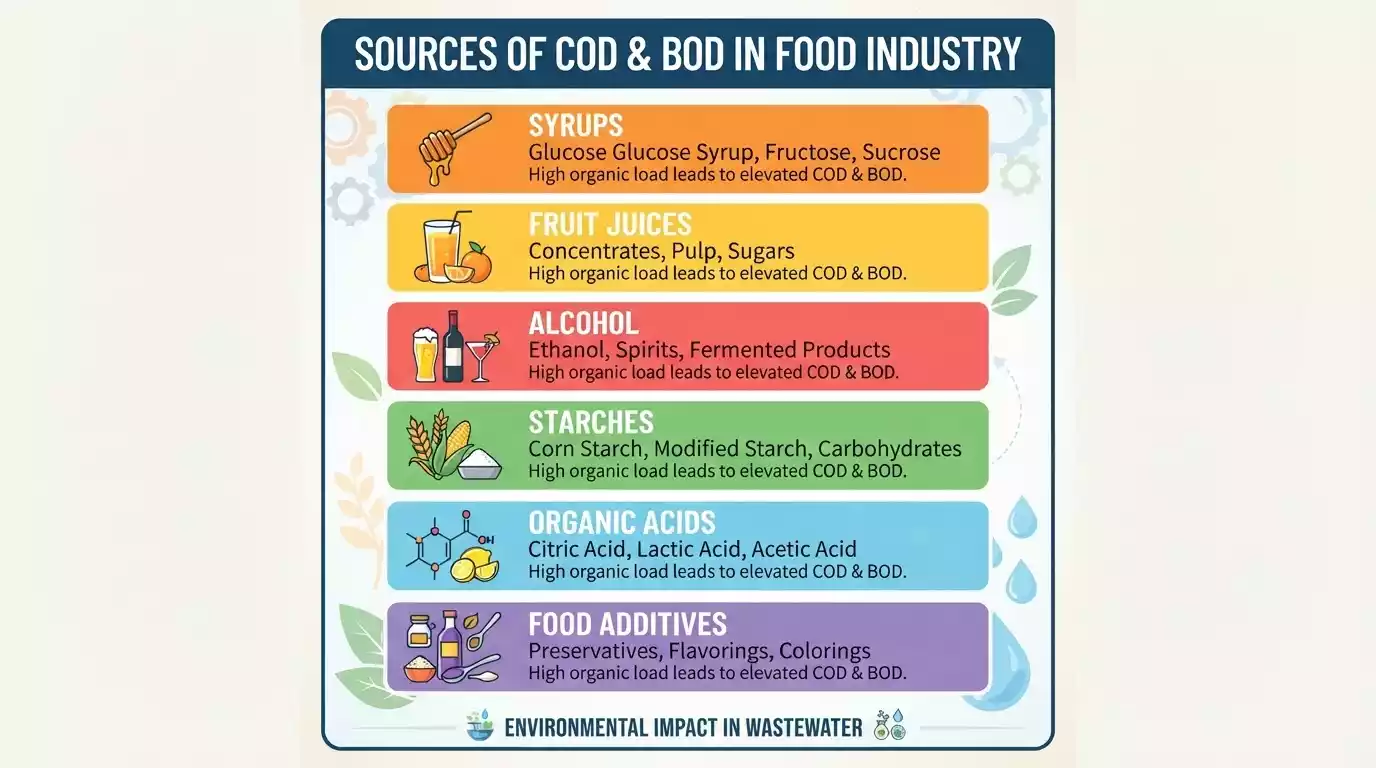
BOD and COD removal from wastewater
- Syrups
- Fruit juices
- Alcohol
- Starch
- Organic acids
- Food additives
Common Treatment Processes of bod & cod removal from beverage wastewater:
- UASB (Upflow Anaerobic Sludge Blanket)
- IC Reactor (Internal Circulation Anaerobic Reactor)
- MBBR (Moving Bed Biofilm Reactor)
- MBR (Membrane Bioreactor)
- Activated sludge process
Sugar Removal from beverage wastewater
- Fructose
- Glucose
- Sucrose
- Syrup
Removal of Suspended Solids from beverage waste water
- Fruit pulp
- Tea leaves
- Coffee residue
- Label scraps
- Packaging fragments
- Reduce turbidity
- Prevent clogging of downstream equipment
Common equipment in beverage wastewater treatment:
- Bar screen
- Rotary drum screen
- Sedimentation tank
- Dissolved air flotation (DAF)
pH adjustment in wastewater treatment
- Sodium hydroxide cleaning solution
- Nitric acid
- Phosphoric acid
- Citric acid
- Carbonic acid
- CIP cleaning system
Removal of color and odor
- Tea beverages
- Coffee beverages
- Fruit juice beverages
- Functional beverages
- Beer
Removal of Nitrogen and Phosphorus
Achieving emission standards or enabling wastewater reuse
- Meet local environmental emission standards
- Discharge into the municipal sewage network
- Reuse for non-potable purposes such as equipment flushing, greening irrigation, and cooling circulation, reducing water costs for businesses.
In total
Food and beverage wastewater treatment focuses on removing high concentrations of organic pollutants (COD/BOD), suspended solids (SS), fats, oils and grease (FOG), sugars, nutrients (nitrogen and phosphorus), warna, and pH fluctuations. Advanced treatment systems ensure regulatory compliance, reduce environmental impact, and enable sustainable water reuse.