 English
 العربية
 中文(漢字)
 Français
 Deutsch
 Indonesia
 Italiano
 Melayu
 Português
 Русский
 Español
 ภาษาไทย
 Tiếng Việt
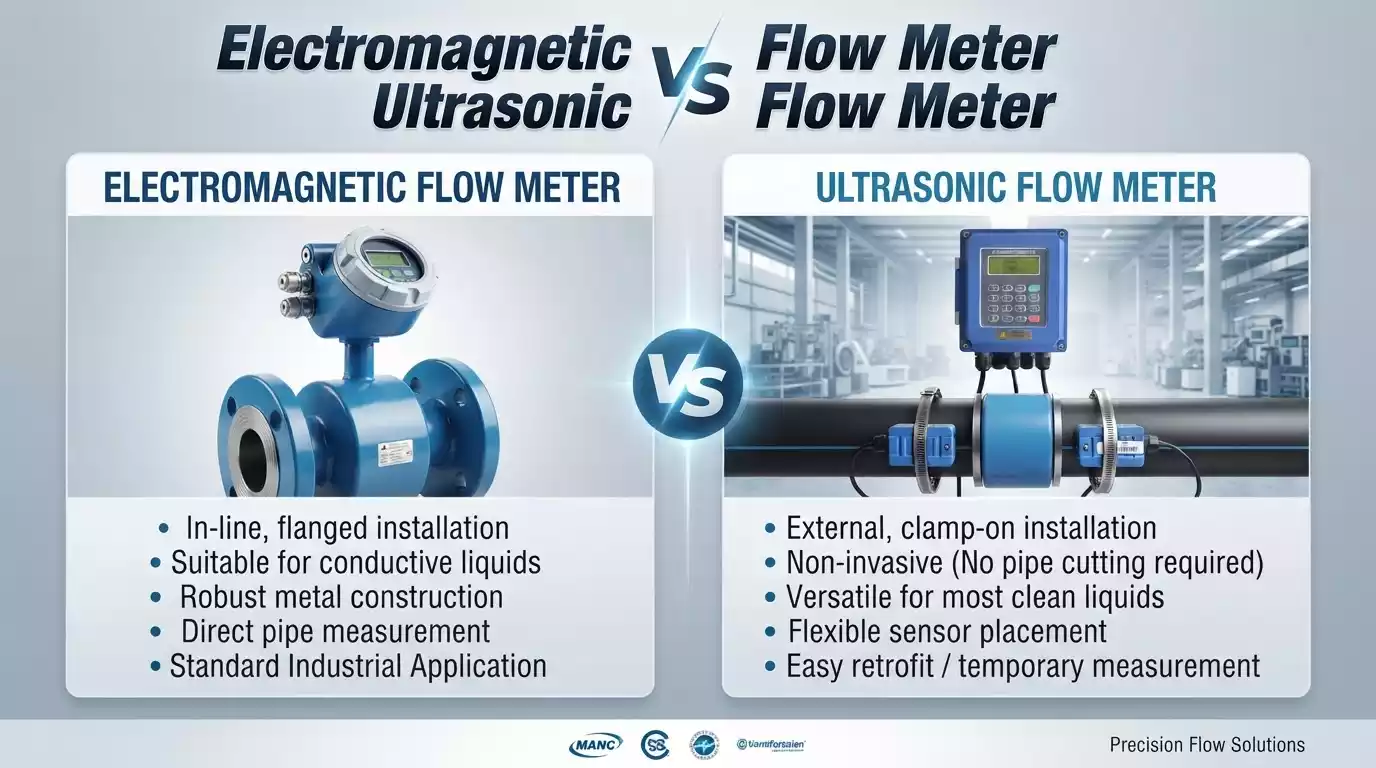
Ultrasonic Flow Meter vs Electromagnetic Flow Meter are two of the most common non-mechanical flow measurement technologies used in water treatment, wastewater, chemical, and industrial applications. Both have no moving parts, but their working principles, installation requirements, and ideal applications are quite different.
What is an electromagnetic flow meter?
Electromagnetic Flow Meter typical locations:
- Influent flow meter
- Effluent flow meter
- Sludge return flow meter
- Aeration tank circulation flow
- Chemical dosing pipelines
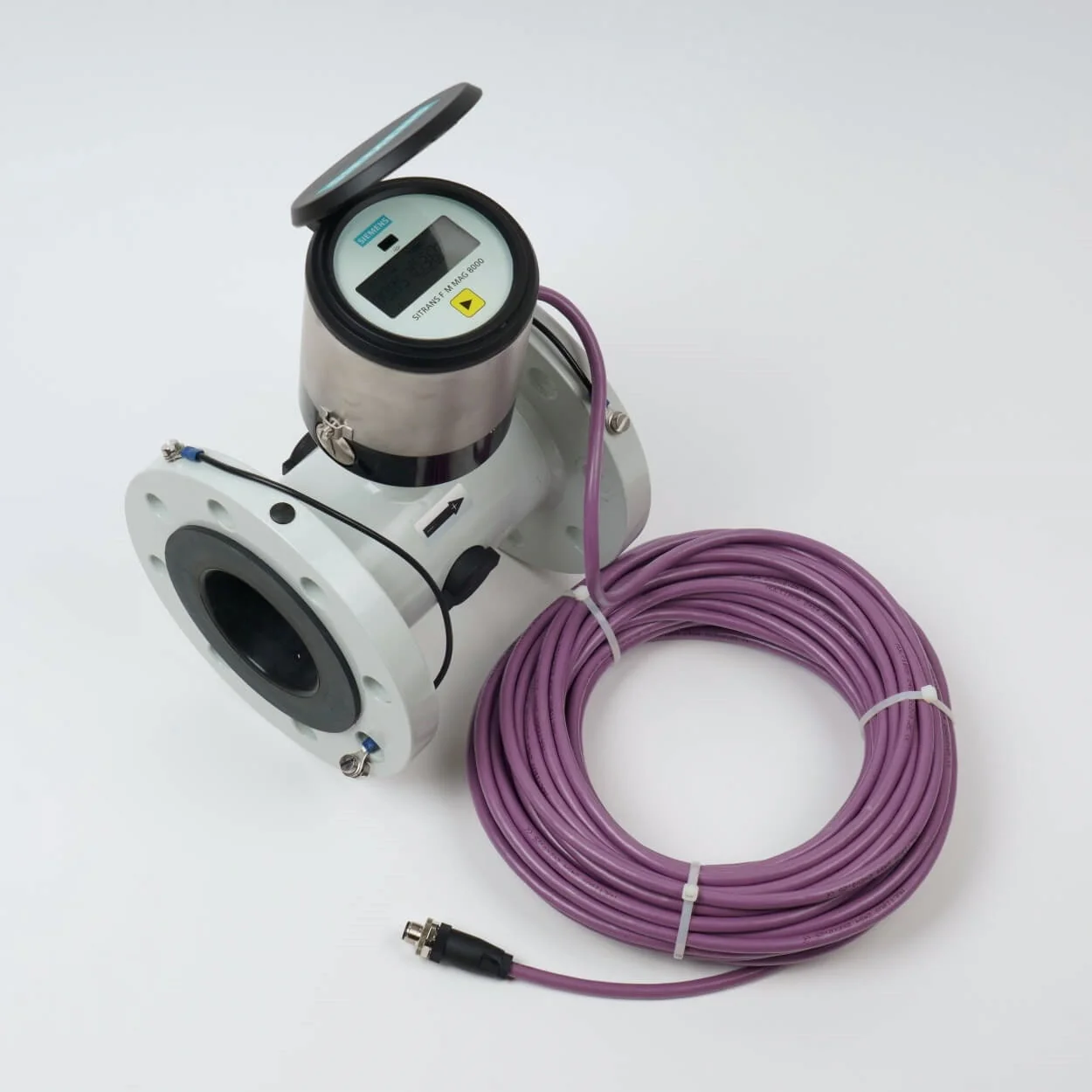
What is an ultrasonic flow meter?
Ultrasonic flow meters are mainly used for:
- Large water transmission pipelines
- Existing plants upgrading
- Temporary measurement
- Difficult installation locations
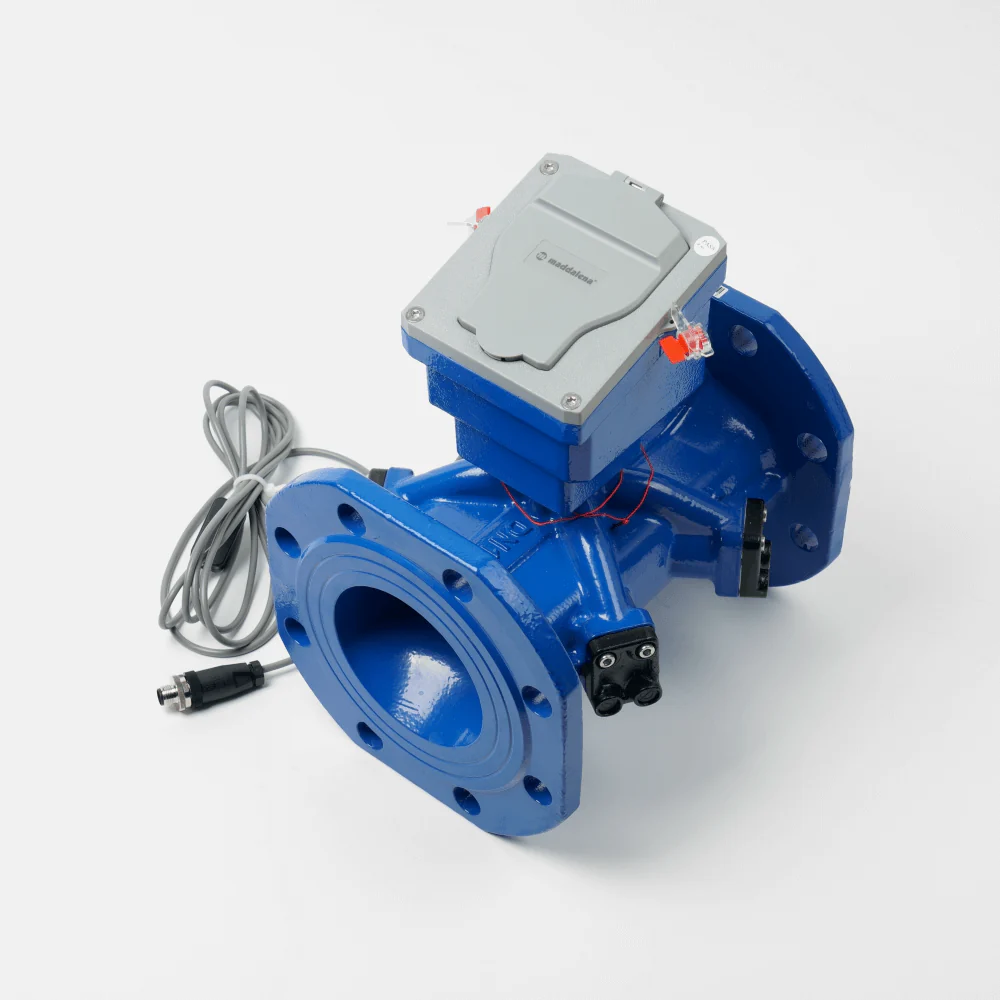
What is the difference between electromagnetic and ultrasonic flow meters?
The biggest difference between ultrasonic and electromagnetic flow meters is that ultrasonic flow meters do not require a conductive liquid to work. They also measure gases but fare less well with liquids that contain many solids or bubbles. Ultrasonic meters are able to withstand high temperatures and high pressure. Along with being able to withstand aggressive fluids (in case of clamp-on ultrasonic flowmeters).
The biggest difference between ultrasonic and electromagnetic flow meters is how they measure (and consequently what they can measure). Electromagnetism works based on whether a liquid is conductive and flow is measured based on electricity. Ultrasonics work based on sound pulses and measure the time between emitting and receiving a pulse. Ultrasonic flow meters can measure gases, liquids and vapours, while electromagnetic flow meters work solely on (conductive) liquids.
Last but not least, it’s worth noting that electromagnetic flow meters are often cheaper than ultrasonic flow meters.
Basic Working Principle
| Item | Ultrasonic Flow Meter | Electromagnetic Flow Meter |
|---|---|---|
| Measurement principle | Measures the velocity of fluid using ultrasonic sound waves | Uses Faraday’s Law of electromagnetic induction |
| How it works | Calculates flow based on the difference in ultrasonic signal travel time upstream/downstream | Conductive liquid moving through a magnetic field generates voltage proportional to velocity |
| Contact with liquid | Usually no contact (clamp-on type) | Electrodes contact the liquid |
Installation
Ultrasonic Flow Meter Installation
Advantages
- Can be installed without cutting the pipe (clamp-on type)
- No shutdown required
- Easy retrofit on existing pipelines
- Suitable for temporary measurement
Disadvantages
- Requires accurate pipe parameters:
- Pipe material
- Pipe diameter
- Wall thickness
- Fluid temperature
- Installation position is critical
- Needs straight pipe length for good accuracy
Electromagnetic Flow Meter Installation
Advantages
- Very stable measurement
- Less affected by pipe conditions
- High accuracy
Disadvantages
- Must be installed inline
- Requires pipe cutting and flange connection
- Installation requires system shutdown
Accuracy Comparison
| Parameter | Ultrasonic Flow Meter | Electromagnetic Flow Meter |
|---|---|---|
| Typical accuracy | ±1%~±2% | ±0.2%~±0.5% |
| Repeatability | Good | Excellent |
| Long-term stability | Medium | Excellent |
| Calibration requirement | Higher | Lower |
For billing, custody transfer, and strict process control, electromagnetic flow meters usually perform better.
Fluid Compatibility
Electromagnetic Flow Meter Fluid Compatibility
Requires: Electrically conductive liquids.
Typical minimum conductivity:
- Water: OK
- Wastewater: Excellent
- Sludge: Excellent
- Chemical solutions: Depends
Applications:
- Municipal wastewater
- Industrial wastewater
- Drinking water
- Sludge pipelines
- Chemical dosing systems
Cannot measure:
- Pure water with very low conductivity
- Oil
- Gas
- Steam
Ultrasonic Flow Meter Fluid Compatibility
Can measu14re:
- Conductive liquids
- Non-conductive liquids
- Clean water
- Chemicals
- Oils
- Some hydrocarbons
Applications:
- Raw water
- Cooling water
- Oil pipelines
- Large diameter pipelines
- Temporary flow measurement
Limitations:
- High air bubbles reduce accuracy
- High solids concentration affects signal
- Heavy sludge can be difficult
Wastewater Treatment Applications
Influent wastewater measurement
- Wastewater conductivity is usually high
- Contains suspended solids
- Needs stable long-term measurement
Sludge flow measurement
Recommended: Electromagnetic Flow Meter
Reasons:
- Sludge contains solids
- Conductivity is high
- Stable measurement required
Large diameter water pipelines
Recommended: Ultrasonic Flow Meter
Reasons:
- Installing a large electromagnetic meter is expensive
- No need to cut huge pipes
- Clamp-on installation is convenient
Temporary flow testing
Recommended: Ultrasonic Clamp-on
Example:
- Check pump performance
- Verify existing flow meters
- Measure unknown pipelines
Cost Comparison
| Cost Factor | Ultrasonic Flow Meter | Electromagnetic Flow Meter |
|---|---|---|
| Equipment cost | Medium | Medium-high |
| Installation cost | Low | Higher |
| Maintenance cost | Very low | Very low |
| Pipe modification | No | Yes |
| Large diameter application | Very economical | Expensive |
Maintenance Comparison
| Item | Ultrasonic | Electromagnetic |
|---|---|---|
| Sensor cleaning | Not required (clamp-on) | Sometimes electrode cleaning |
| Moving parts | None | None |
| Fouling problems | Low | Medium |
| Lifetime | 10–15 years | 10–20 years |
Which One Should You Choose?
Choose Electromagnetic Flow Meter if:
- Measuring wastewater
- Measuring sludge
- Permanent installation
- High accuracy required
- Pipe size DN25–DN600 commonly
- Conductive liquid
Most wastewater treatment plants use electromagnetic flow meters.
Choose Ultrasonic Flow Meter if:
- Existing pipeline cannot stop operation
- Large diameter pipe (>DN600)
- Temporary measurement
- Non-conductive liquid
- Need low installation cost
Simple Selection Guide
| Application | Recommended Meter |
|---|---|
| Municipal wastewater inlet | ⭐ Electromagnetic |
| Activated sludge flow | ⭐ Electromagnetic |
| Return activated sludge (RAS) | ⭐ Electromagnetic |
| Chemical dosing water | Electromagnetic / Ultrasonic |
| Raw water pipeline | Both |
| DN1000+ pipeline | ⭐ Ultrasonic |
| Pump testing | ⭐ Ultrasonic |
| Cooling water | Ultrasonic |
| Oil | Ultrasonic |
| Pure water | Ultrasonic |
Electromagnetic Flow Meter = Best for permanent wastewater process control
Ultrasonic Flow Meter = Best for flexible, non-invasive, large pipe measurement